September is National Cholesterol Education Month, an ideal time to review how cholesterol might be affecting your heart.
Current research shows around 86 million Americans aged 20 or older live with cholesterol levels above the recommended limit. This can have serious negative health effects over time, like plaque buildup in the arteries, increasing the risk of cardiovascular disease, heart attacks, and strokes.
Cholesterol itself isn’t inherently bad. It’s a waxy, fat-like substance your body needs to build cells, make hormones, and produce vitamin D. Your liver makes the cholesterol your body needs to function properly, but having too much cholesterol circulating in your blood can cause problems.
If you have questions about how to find or manage cholesterol levels for yourself or a loved one, don’t hesitate to reach out today for a free consultation.
Understand Your Key Cholesterol Numbers
A simple blood test called a lipid panel can help you understand your overall cholesterol levels quite simply and effectively. The two main figures are:
- LDL, or low-density lipoprotein
- Often called “bad” cholesterol. When LDL levels are too high, cholesterol can accumulate in artery walls and contribute to plaque buildup.
- For many adults, an LDL level below 100 mg/dL is considered an ideal target, although your personal goal may vary based on your overall health and risk factors.
- HDL, or high-density lipoprotein
- Known as “good” cholesterol because it helps transport excess cholesterol back to the liver. Higher HDL levels are generally associated with better heart health.
- A level of 60 mg/dL or higher is generally considered favorable.
Total cholesterol is another measurement included in a lipid panel. A total cholesterol level below 200 mg/dL is generally considered desirable.
Knowing your cholesterol numbers is an important first step. The next is understanding which everyday habits can help you maintain healthier levels and support your heart.
Build a Heart-Healthy Diet
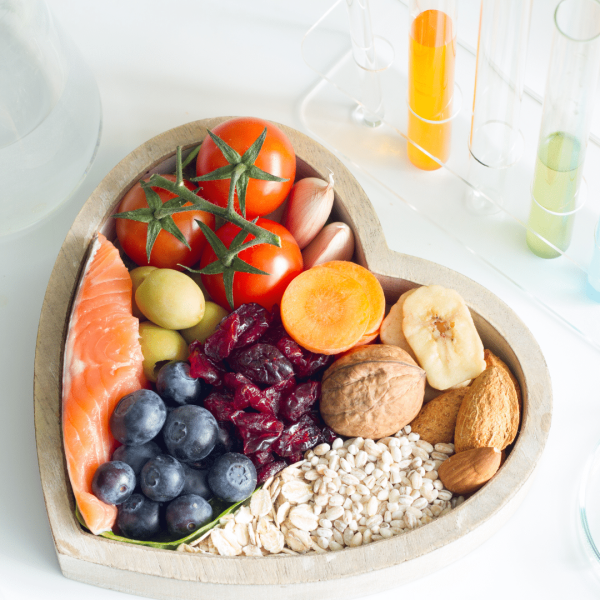
Dietary changes can play an important role in managing cholesterol, as what we eat directly impacts our overall heart health. It’s helpful to focus on foods that are naturally rich in fiber, including fruits, vegetables, whole grains, beans, and other legumes.
You can also choose healthier sources of fat, such as nuts, seeds, avocados, and olive oil, while limiting foods high in saturated and trans fats. Reducing highly processed foods and choosing lean proteins can also support overall heart health.
Small substitutions can add up over time. Try oatmeal or whole-grain cereal instead of a breakfast high in saturated fat, or choose beans and vegetables as part of a meal instead of processed or fatty meats.
Make Lifestyle Changes That Last
Other lifestyle changes like exercise can also be useful tools for managing cholesterol. Regular physical activity can support healthy cholesterol levels and overall cardiovascular health.
Aim for consistent activity that fits your routine, whether that means walking, cycling, strength training, or another activity you enjoy that gives your heart a healthy amount of exertion. Avoiding tobacco and maintaining a healthy weight can also benefit your heart’s health.
Regular screening can help catch high cholesterol early, while heart-healthy habits can help protect your cardiovascular health over time. The peace of mind is worth the effort here, as living a heart-healthy lifestyle is a habit that only becomes more important over the years.
If you have questions about how to manage cholesterol levels for yourself or a loved one, don’t hesitate to reach out today.