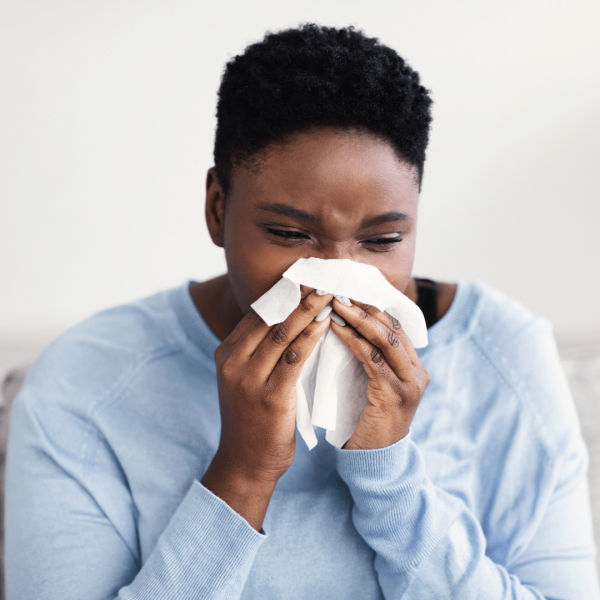
Sneezing, congestion, coughing, and a sore throat become more common as temperatures cool in the fall. When symptoms start creeping up, it isn’t always easy to tell what’s causing them or how to respond.
Although the cold, flu, RSV, and allergies share several symptoms, recognizing their differences can help you find effective relief at home and know when to seek medical attention.
No matter what issue you’re dealing with, finding the right relief starts with understanding your options. Visit your local Community Pharmacy for guidance on over-the-counter treatments and when to consult a healthcare professional.
Four Conditions, Four Different Causes
The common cold, influenza (flu), respiratory syncytial virus (RSV), and seasonal allergies can all affect how you feel, but each has different causes and recommended treatments.
- Common cold
- Caused by various viruses, colds typically produce mild symptoms, including a runny or stuffy nose, sneezing, sore throat, and cough.
- Recommended treatment includes rest, fluids, and over-the-counter medications such as acetaminophen for pain or fever, dextromethorphan for cough, and throat sprays for soreness.
- Flu
- Influenza is a contagious respiratory illness that often causes more intense symptoms, including fever, chills, body aches, fatigue, and headache.
- Treatment focuses on rest, hydration, and managing symptoms with medications such as acetaminophen.
- Additionally, there are also prescription antiviral medications of the flu if you catch the symptoms early enough. One of these prescriptions is Tamiflu.
- RSV
- Respiratory syncytial virus often resembles a cold in healthy adults but can cause more serious illness in infants, older adults, and people with certain underlying health conditions.
- Most cases improve with supportive care, including fluids and fever relief. More severe infections may require medical attention, oxygen, or other supportive treatments.
- Seasonal allergies
- Unlike respiratory viruses, allergies occur when your immune system reacts to environmental triggers such as pollen. They commonly cause sneezing, itchy or watery eyes, and a runny nose.
- Antihistamines like cetirizine (Zyrtec) or loratadine (Claritin) can relieve symptoms, while corticosteroid nasal sprays like fluticasone (Flonase) help reduce inflammation.
- You can check local pollen levels using IQAir.
Spot the Signs: How to Tell Them Apart
The timing and combination of symptoms can offer useful clues. Some questions to consider are:
- How quickly did symptoms start?
- Colds often develop gradually, while the flu tends to come on suddenly. Allergies may appear after exposure to a trigger and persist as long as that exposure continues.
- Do you have a fever or body aches?
- Fever, chills, and significant muscle aches are more common with the flu than with allergies or a typical cold. RSV can also cause fever, coughing, and fatigue.
- Are your eyes itchy?
- Itchy, watery eyes and repeated sneezing often point toward allergies, particularly when symptoms recur during the same season.
- Is your cough getting worse?
- RSV can cause persistent coughing and wheezing. Difficulty breathing is a warning sign that requires prompt medical attention, particularly in young children and older adults.
Symptoms can overlap, so no single sign can confirm a diagnosis, but testing or evaluation by a healthcare professional may help clarify the cause. Contact your local Community Pharmacy to ask about available services and guidance.
Finding Relief and Recognizing Red Flags
Rest, fluids, and appropriate over-the-counter medications can help manage many mild symptoms. Depending on the cause, relief may include pain relievers, saline nasal sprays, antihistamines, or other targeted treatments.
Seek prompt medical attention for difficulty breathing, chest pain, signs of dehydration, or symptoms that are severe or worsening. Infants, older adults, and people with chronic health conditions may need earlier evaluation.
Relief from seasonal ailments starts with understanding what’s causing your symptoms. By recognizing the differences between colds, flu, RSV, and allergies, you can make informed decisions about treatment, know when to seek medical attention, and help your family enjoy the fall season with greater peace of mind. If you have questions about your symptoms or treatment options, reach out to your local Community Pharmacy, as we’re here to help you throughout this season and the next.